
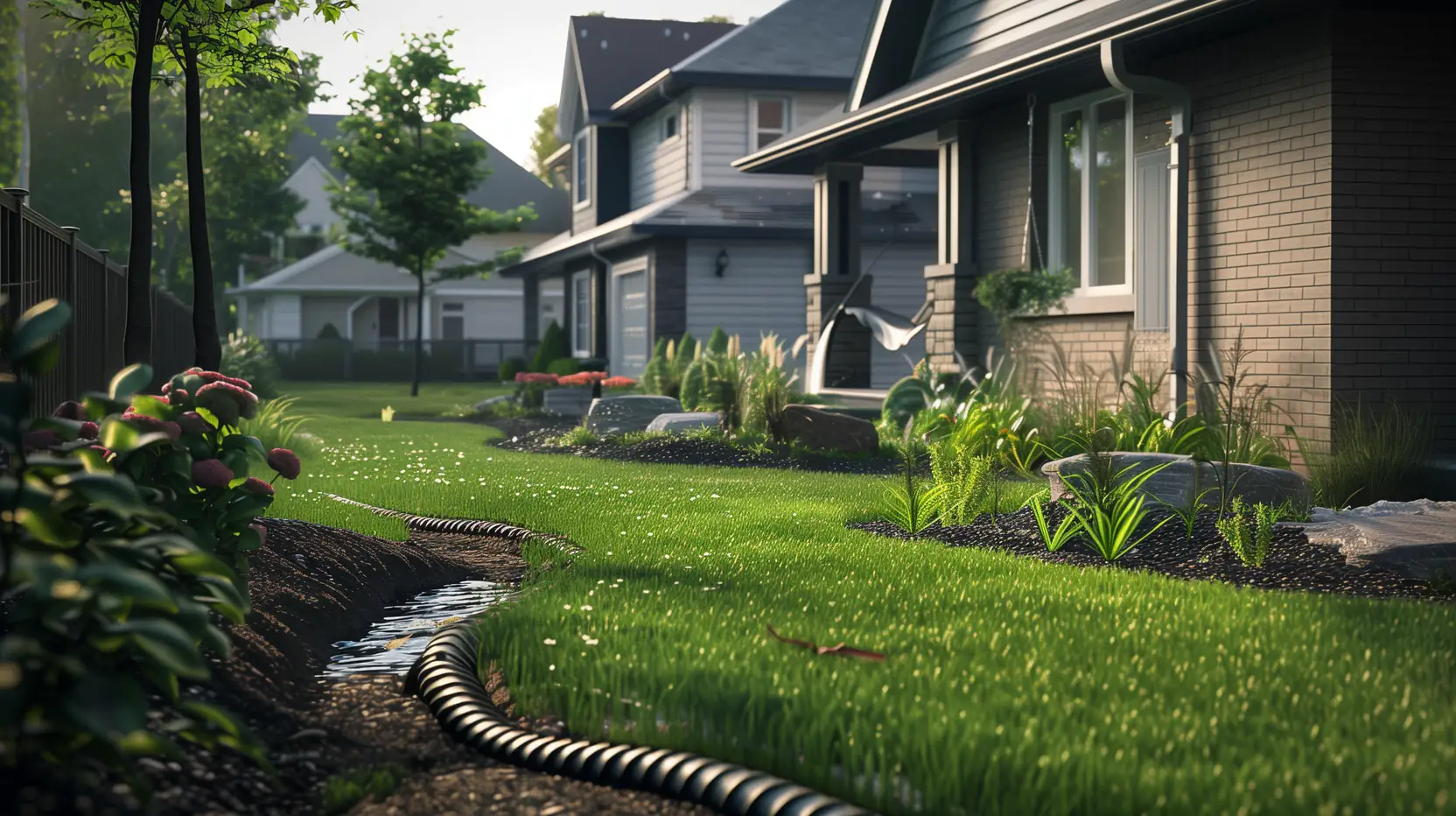
Darteno Construction Ltd. installs and repairs residential drainage and grading systems throughout Richmond Hill, Vaughan, Markham, Thornhill, Aurora, Newmarket, North York, Scarborough, Woodbridge, and Toronto. Poor drainage and incorrect grading are the root cause of most foundation seepage, hardscape settlement, and lawn damage across GTA properties. We correct these problems at the source, whether that means regrading a settled slope, installing a French drain behind a retaining wall, or extending downspout discharge well clear of the foundation. We are licensed, insured, English and Mandarin speaking, and have been serving GTA homeowners since 2021. All assessments and estimates are free -- call (647) 838-3200 or visit 142 Valleymede Dr, Richmond Hill, ON.
What to Expect
Drainage and grading installations begin with a final site walk to confirm outlet locations, excavation paths, and utility crossing points before any digging starts. Depending on the scope, whether surface grading only, a French drain, catch basin installation, or a combination of systems, most residential drainage projects in the GTA are completed within one to five days. Excavation creates temporary disruption to lawn and garden areas, and all spoil, materials, and equipment are managed on-site throughout the project.
Once the drainage system is installed and backfilled, disturbed areas are re-graded, compacted, and finished with topsoil where needed. We confirm proper drainage flow before completing the work and walk you through the outlet locations, discharge points, and any maintenance steps relevant to your system. The balance of the project cost is due upon satisfactory completion of the final walkthrough. Most homeowners notice the improvement within the first significant rainfall after installation. Persistent pooling problems that were accepted as normal simply stop occurring.
How Proper Grading Protects Your Home
The slope of the ground immediately surrounding your home is the first line of defence against water damage. When the grade falls away from the foundation at the correct pitch, rainwater and snowmelt are directed into the yard and away from the structure before they have a chance to saturate the soil near footings or enter basement walls. A grade that is flat, settled, or pitched inward reverses that flow. Water pools against the foundation, increases hydrostatic pressure, and can infiltrate through cracks in concrete, mortar joints, or window wells over time. Beyond the foundation itself, proper grading protects landscaping by preventing erosion, reduces standing water that kills grass and plant roots, and creates a stable, well-compacted base for any hardscaping installed on top.
Drainage Systems We Install
French Drains
A French drain is a perforated pipe set inside a gravel-filled trench that collects groundwater and subsurface moisture, then redirects it away from foundations, retaining walls, or low-lying areas. It is one of the most effective solutions for yards with chronic wet spots or soil that holds water well after rain. A condition common across Richmond Hill, Markham, and Vaughan where clay soils dominate.
Catch Basins
Catch basins are underground collection boxes installed at low points in a yard or hard surface to capture pooling surface runoff. Water drains into the basin through a grated top and exits through a buried outlet pipe, keeping water from sitting against the home or flooding the lawn. Catch basins are commonly paired with French drains or used at the base of driveways and patios where surface water accumulates.
Channel Drains
Channel drains, also called trench drains, are linear surface drains installed flush with a driveway, patio, or walkway surface. They collect runoff across a wide swath rather than a single point, making them ideal for sloped hard surfaces where water sheets across the pavement toward a structure or garage.
Grading Corrections
Grading corrections involve reshaping the slope of the ground so water flows away from the foundation, not toward it. Darteno assesses existing grades, removes or adds fill as needed, and re-compacts the soil to establish proper drainage pitch before any hardscaping or planting is done on top.
Downspout Extensions
Downspout extensions carry roof runoff from the base of a downspout to a safe discharge point well away from the foundation. This can be a simple surface pipe or a buried underground line that daylight-exits at the lawn edge or connects into a catch basin or storm system. Roof runoff discharged at the foundation wall with no extension is one of the most common and easily corrected contributors to basement seepage in the GTA.
Swales
A swale is a shallow, gently sloped channel, usually grass or planted, that slows surface water and guides it safely across or off the property. Swales are a low-impact solution for yards that collect runoff from neighbouring lots or need to redirect flow without underground piping.
Grading Methods
Cut Grading
Cut grading removes existing soil from elevated areas to lower the grade and create a controlled slope. It is used where a high spot is preventing water from draining away, where a settled mound has formed against the foundation, or where the existing grade pitches inward and needs to be redirected. Excavated material is either redistributed elsewhere on the property or removed from site.
Fill Grading
Fill grading involves importing and compacting granular material or clean fill soil to raise low-lying areas. It is used where the yard has depressions that collect water, where the grade has settled away from the foundation, or where a flat section needs to be built up to establish a positive slope away from the structure. Fill is placed in compacted lifts to prevent future settling.
Crown Grading
Crown grading raises the centre of a lawn or yard so the grade slopes down toward both sides. This method is used for wide, flat lots where water pools across the middle of the property rather than draining to either side.
Swale Formation
A grading swale is a shallow, gently sloped channel formed by shaping the ground to carry surface runoff across the yard to a suitable outlet like a street. Swales are particularly effective for managing runoff from adjacent properties that enters along the lot line.
Perimeter Foundation Grading
Perimeter foundation grading re-establishes the slope immediately surrounding the home. A minimum 6-inch drop over the first 10 feet from the foundation is typically required. When this slope is lost to settling or poor original grading, water accumulates against the foundation walls. Restoring this grade is often the first correction made before any drainage system is installed.
Drainage Repair and Grading Corrections
Drainage systems that are failing, partially blocked, or incorrectly installed can cause more damage over time than having no drainage at all. They create a false sense of protection while water continues to find its way toward foundations, hardscaping, and landscaping. Darteno diagnoses and repairs residential drainage systems throughout Toronto, Richmond Hill, Vaughan, and Markham. We assess what is already installed, identify where it is failing, and correct the system properly rather than adding components on top of an unresolved problem.
- French drain repair and replacement -- perforated pipes that are crushed, silted over, or pitched incorrectly are excavated, assessed, and replaced. We re-establish the correct slope, renew the gravel bed, and restore the geotextile wrap before backfilling.
- Catch basin cleaning and repair -- basins blocked by sediment, debris, or root intrusion are cleaned and restored to full function. Cracked basin bodies and outlet connections are repaired or replaced as needed.
- Grading corrections -- settled areas that now slope toward the home or collect standing water are regraded using imported fill, compacted in lifts, and finished with topsoil to re-establish the required drainage pitch.
- Downspout discharge repair -- underground discharge lines that have cracked, separated, or become blocked are rodded, assessed by camera where needed, and repaired or rerouted to a functional daylight outlet.
- Channel drain repair -- surface channel drains in driveways and patios that are blocked, lifted by frost, or broken are cleaned, reseated, and reconnected to outlet piping.
- Foundation drainage improvements -- properties where water continues to reach basement walls despite surface drainage work may benefit from deeper perimeter tile installation or targeted improvements at the foundation level.
Signs Your Property Needs Drainage Improvements
- Water pooling in the yard after rain that does not drain within 24 to 48 hours
- Wet or soggy patches that persist through dry periods
- Basement dampness, efflorescence on foundation walls, or musty smell after rain
- Soil erosion along the foundation or downspout discharge areas
- Mulch and topsoil migrating out of garden beds after every storm
- Staining, rust streaks, or deterioration around window wells
- Grade sloping toward the house rather than away from it
- Heaving or settling of interlock, patio stones, or retaining walls in low areas
- Roof downspouts discharging at the foundation with no extension or buried outlet
Permits and Approvals
Drainage and grading work frequently intersects with municipal permit and approval requirements in Toronto and the GTA because it directly affects how water moves between properties, into the municipal system, and around building foundations.
- Fill and grading permits -- importing fill material to raise the finished grade of a property, or excavating to lower it, may require a fill permit in Toronto and GTA municipalities. Toronto's Fill Bylaw (Chapter 629 of the Municipal Code) regulates the placing of fill on residential land.
- Registered grading plans -- many newer subdivision lots in Richmond Hill, Vaughan, Markham, and Toronto were built under approved subdivision grading plans that establish required drainage grades, swale locations, and lot drainage directions. Any regrading that deviates from the registered plan requires municipal approval before work proceeds.
- Sewer and drain connections -- installing a new catch basin that connects to the municipal storm sewer requires a permit from the municipal works department. In Toronto, connections to the City sewer system must be performed by a licensed drain contractor with a valid permit.
- Conservation authority regulated areas, grading and drainage work near ravines, floodplains, valley corridors, and other TRCA or LSRCA regulated areas requires prior approval from the applicable conservation authority.
- Driveway drainage -- drainage improvements that involve cutting the road curb, modifying the municipal boulevard grade, or connecting drainage infrastructure to a road-side catch basin require a Right-of-Way permit from the applicable municipality before work begins.
Areas We Serve
Darteno provides drainage and grading services in Richmond Hill, Vaughan, Markham, Toronto, Thornhill, Aurora, Newmarket, North York, Scarborough, Woodbridge, King City, Whitchurch-Stouffville, East Gwillimbury, and Bradford West Gwillimbury. Water management is one of the most persistent challenges for GTA homeowners. Flat lots, clay soil that sheds water slowly, and aging municipal infrastructure all contribute to pooling, foundation seepage, and saturated lawns. Our work addresses these conditions at the source, whether that means correcting a settled grade, installing a French drain behind a retaining wall, or extending downspout discharge well clear of the foundation. Call (647) 838-3200 for a free assessment and estimate.