
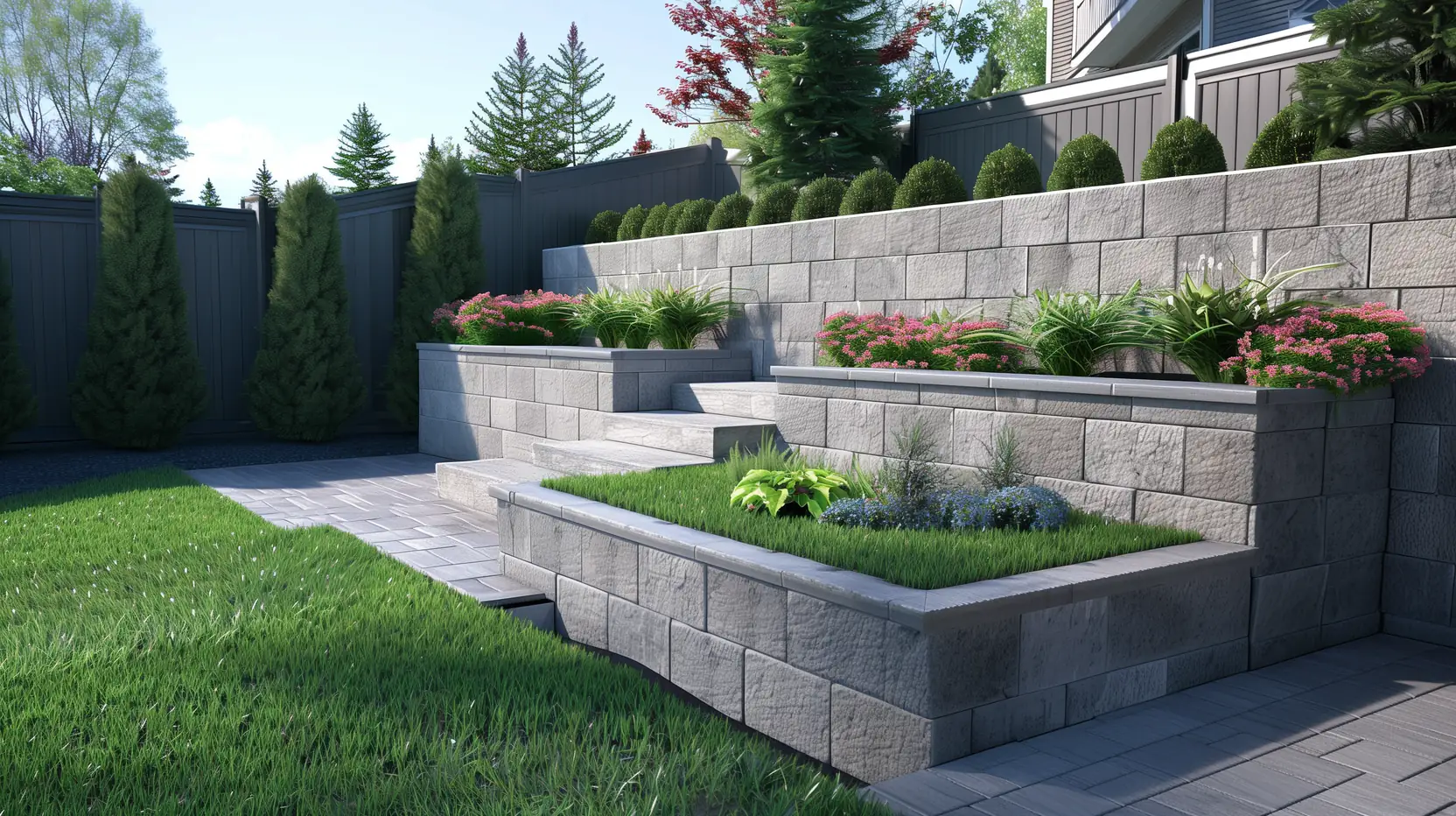
Darteno Construction Ltd. designs and builds residential retaining walls throughout Richmond Hill, Vaughan, Markham, Thornhill, Aurora, Newmarket, North York, Scarborough, Woodbridge, and Toronto. Whether you need to stabilize a sloped backyard, create usable outdoor living space, support a patio installation, or prevent soil erosion along a property boundary, our retaining wall systems are engineered to perform in Ontario''s demanding freeze-thaw climate. We are licensed, insured, English- and Mandarin-speaking, and have been serving GTA homeowners since 2021. All estimates are free -- call (647) 838-3200 or visit 142 Valleymede Dr, Richmond Hill, ON.
What to Expect During Installation
Retaining wall installation begins with equipment delivery, slope excavation, and preparation of the base trench. Depending on wall height, materials, and drainage requirements, most residential retaining wall projects in the GTA take between three days and two weeks to complete. Larger engineered walls or sites with significant excavation, difficult access, or permit requirements may require additional time. The full project schedule is confirmed with you before breaking ground, and our crew manages all material delivery, staging, and daily cleanup on-site throughout the installation.
As the wall progresses, you will see the drainage layer, base course, and wall face built up in stages -- each level completed and inspected before the next begins. Backfill is compacted in lifts behind the wall as construction advances to prevent future settlement. Once the final course is set and the site is cleaned, you will receive a walkthrough of the completed wall, drainage outlet locations, and any maintenance considerations specific to your installation. The balance of the project cost is due upon satisfactory completion of the final walkthrough.
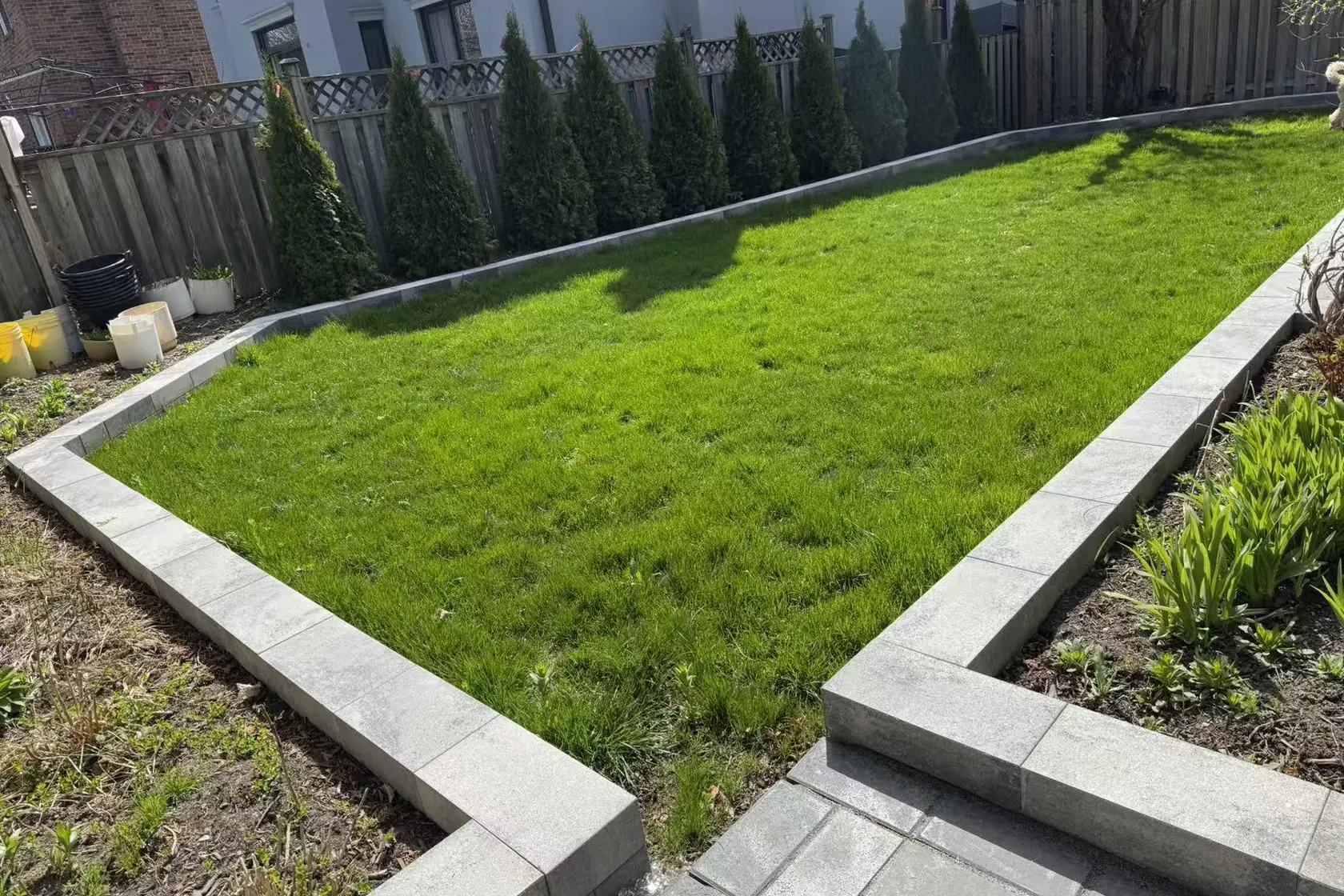
Types of Retaining Walls
Concrete Block Retaining Walls
Concrete block retaining walls, also called segmental retaining walls, are among the most popular choices for residential properties in Toronto and the GTA. Engineered interlocking blocks create a structurally sound system that distributes soil pressure evenly, reducing the risk of cracking or shifting over time. With proper base preparation, drainage, and geogrid reinforcement on taller walls, concrete block systems deliver exceptional durability against Ontario''s freeze-thaw cycles and heavy clay soils.
A well-installed concrete block retaining wall typically lasts 40 to 75 years with minimal maintenance. Concrete retaining wall blocks are manufactured in a wide range of textures, colours, and profiles -- from clean contemporary faces to natural split-stone finishes -- allowing homeowners to match the wall to existing hardscaping, driveways, and patios without sacrificing structural performance.
Armour Stone Retaining Walls
Armour stone retaining walls use large quarried limestone blocks to create a bold, naturalistic appearance that blends into residential landscapes. The oversized stones carry an organic character that manufactured block systems cannot replicate, giving properties an immediate sense of permanence. Armour stone is one of the most widely used retaining wall materials across Toronto and the GTA because of its resistance to frost heave, compatibility with clay-heavy soils, and ability to handle significant soil retention without complex reinforcement systems on most residential applications. Properly installed armour stone walls regularly last 50 years or more.
Natural Stone Retaining Walls
Natural stone retaining walls represent the premium tier of residential retaining wall construction. Fieldstone, granite, limestone, and other naturally sourced materials deliver a level of visual richness and texture that no manufactured product fully replicates. The variation in colour, grain, and profile found in natural stone gives each wall a one-of-a-kind character that improves with age. Natural stone walls integrate into surrounding landscapes more seamlessly than any other material, complementing gardens, mature trees, naturalized plantings, and traditional architectural styles.
Poured Concrete Retaining Walls
Poured concrete retaining walls are the material of choice for high-load structural applications. Unlike segmental block systems that rely on gravity and interlocking geometry, poured concrete walls function as monolithic structures capable of resisting extreme lateral soil pressure, surcharge loads from vehicles or structures, and the demands of engineered foundation systems. Most poured concrete retaining wall projects in Toronto require engineered drawings and building permits. The engineering process accounts for soil bearing capacity, hydrostatic pressure, rebar sizing, footing depth, and drainage design to ensure the wall performs safely under all load conditions.
Timber Retaining Walls
Timber retaining walls are the most accessible entry point in terms of upfront cost. Pressure-treated lumber is widely available and straightforward to work with, keeping material and labour costs lower than concrete or stone alternatives. For smaller grade changes, garden borders, or properties where budget is the primary constraint, timber can be a practical short-term solution. However, most timber retaining walls have a functional lifespan of 10 to 20 years before significant repairs or full replacement are required -- making them less economical over the long term compared to concrete or stone systems that last several decades with minimal maintenance.
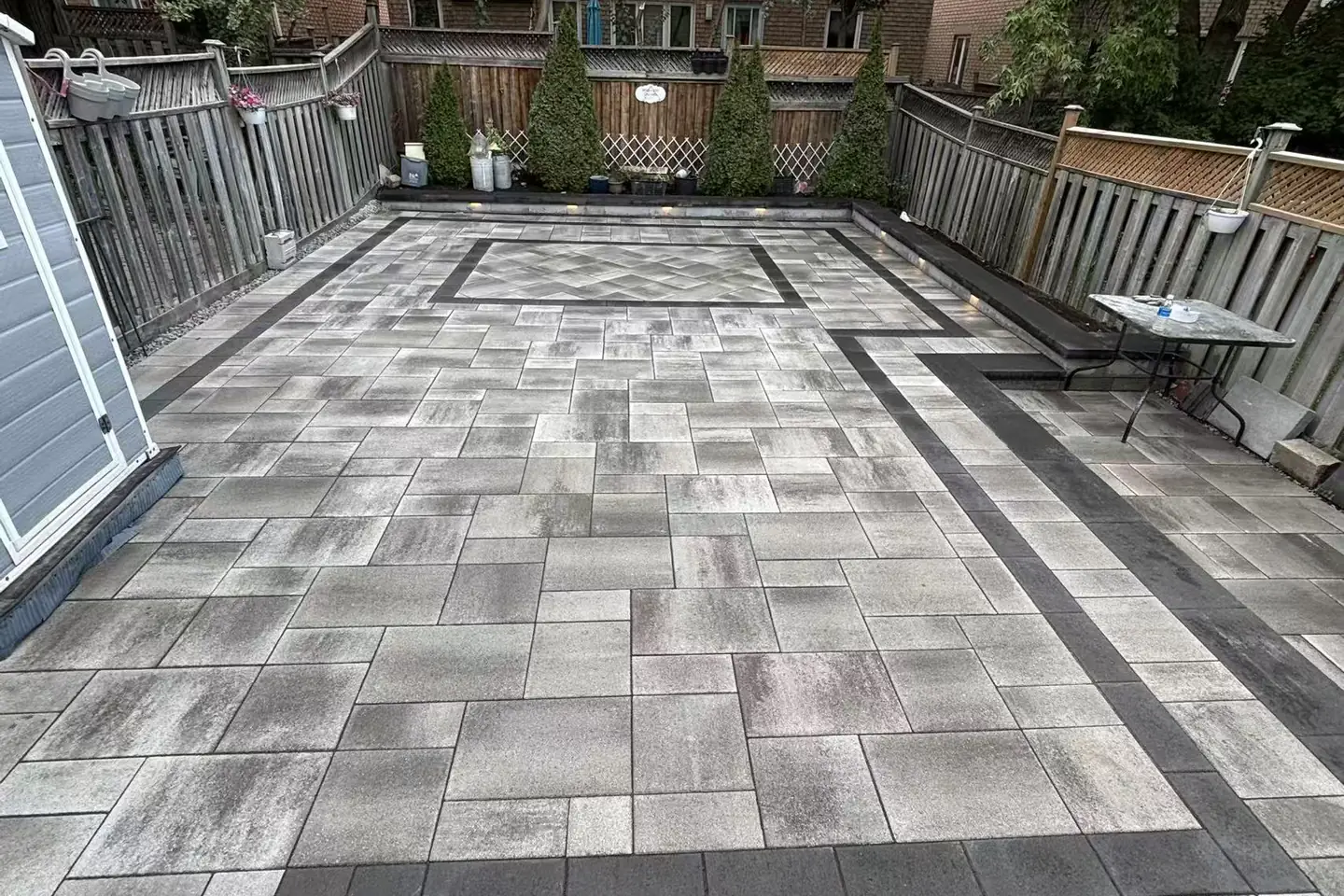
Wall Height and Structural Implications
Wall height is the most consequential variable in retaining wall design. As height increases, soil pressure loads grow significantly, drainage demands intensify, and engineering requirements become more complex.
Walls Under 3 Feet
Walls retaining less than approximately 3 feet of grade are typically gravity-based systems that rely on their own mass to resist soil pressure. Most segmental block, armour stone, and timber walls at this height do not require building permits in Toronto-area municipalities, though local bylaws should always be confirmed. Even at this modest height, drainage behind the wall is essential -- gravel backfill and a drainage pipe extend service life and reduce frost-related movement in Ontario clay soils.
Walls in the 3-to-4-Foot Range
Walls meeting or exceeding 1 metre (approximately 3.3 feet) in retained height trigger building permit and engineering drawing requirements in Toronto and most GTA municipalities. Surcharge loads at the top of the wall -- a driveway, vehicle parking area, or pool -- can effectively lower this threshold because the wall must resist the imposed load in addition to soil pressure.
Walls Over 4 Feet
Walls over 4 feet in height typically require geogrid reinforcement -- horizontal layers of tensile mesh embedded in compacted backfill to transfer load deeper into the retained soil mass. Timber walls are generally not suitable above 4 feet in Ontario conditions. Footing depth must extend below the frost line, typically 4 feet in the GTA, to prevent seasonal frost heave from shifting the wall base.
Walls Over 6 Feet
Walls exceeding 6 feet enter territory where poured concrete or heavily reinforced segmental systems are the practical choices. A structural engineer assesses site-specific conditions -- soil bearing capacity, groundwater depth, proximity to structures, and surcharge loads -- before design begins. These projects involve detailed permit submissions, phased inspections during construction, and higher material and labour costs.
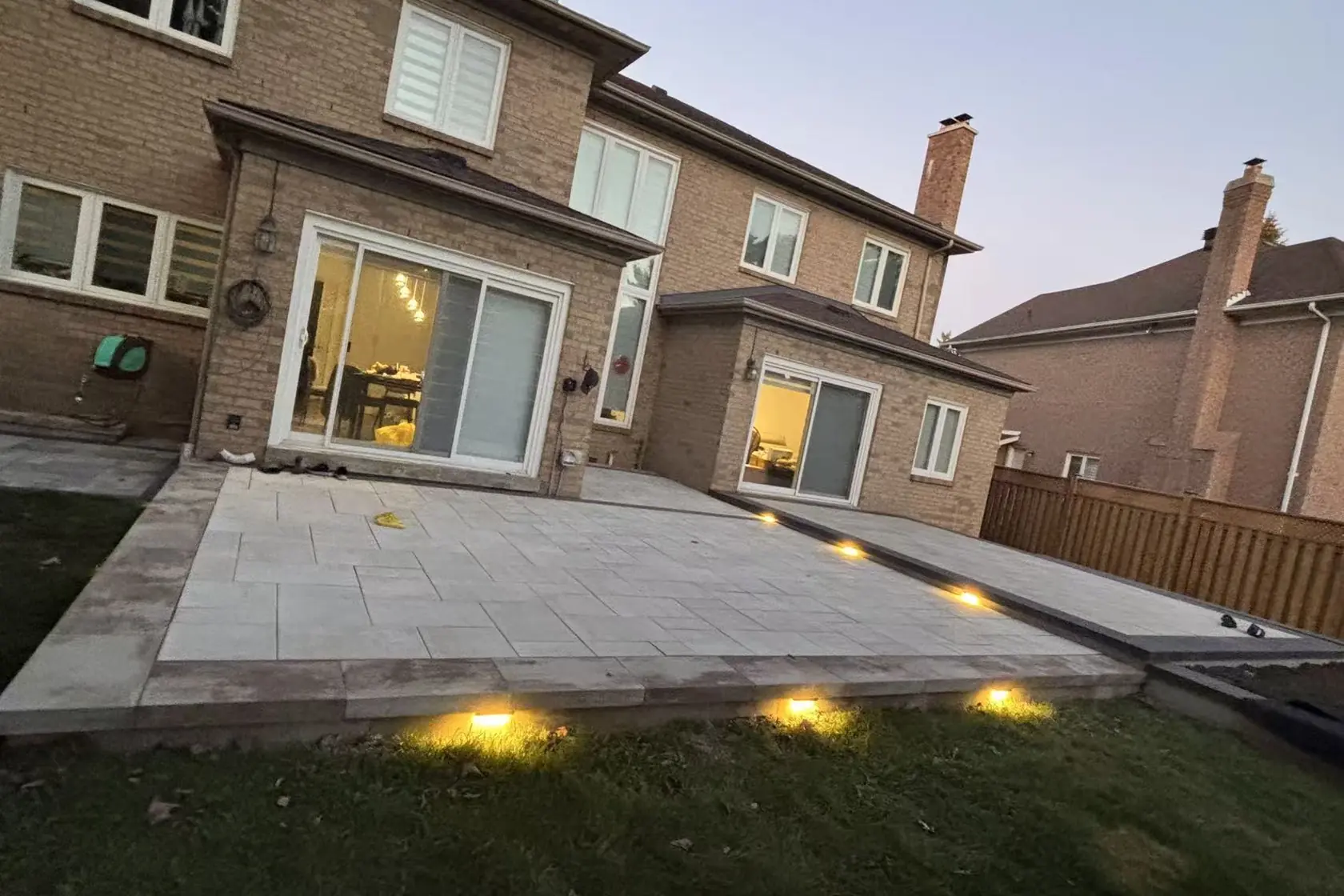
Drainage Behind Retaining Walls
Water is the leading cause of retaining wall failure in Ontario. When saturated soil builds up hydrostatic pressure behind a wall, it adds significant lateral force beyond the static soil load the wall was designed to resist. In the GTA''s freeze-thaw climate, that pressure is cyclical -- water saturates retained soil in autumn, freezes and expands against the wall through winter, and thaws in spring. A properly designed drainage system eliminates this pressure before it reaches the wall face.
Gravel Backfill
Clean crushed stone or clear gravel placed directly behind the wall replaces native soil in the drainage zone. Unlike clay-heavy native soil, free-draining gravel allows water to move quickly downward to the drainage pipe at the base of the wall. The gravel zone typically extends 12 to 24 inches behind the wall face depending on wall height and site conditions, and is wrapped in geotextile filter fabric to prevent fine soil particles from migrating into the drainage aggregate over time.
Perforated Drainage Pipe
A perforated pipe -- commonly called weeping tile -- runs along the bottom of the gravel backfill zone, collecting water and directing it to a suitable outlet: a catch basin, a daylight discharge point at a lower grade elevation, or a connection to a storm drainage system. The pipe is installed in a bed of clean stone and wrapped in filter sock to prevent sediment from clogging the perforations. Without a functioning drainage outlet, collected water has nowhere to go and the gravel zone eventually becomes saturated.
Weep Holes
Segmental concrete block walls include weep holes -- intentional gaps left in the wall face at regular intervals near the base -- to allow water that accumulates in the drainage zone to discharge through the wall face rather than building pressure behind it. Weep holes serve as a secondary pressure-relief path during heavy rain events and require periodic inspection to confirm they are not obstructed by soil, vegetation, or debris.
Retaining Wall Repair
A retaining wall that is leaning, cracking, or bulging is a structural warning sign. Most retaining wall failures in Toronto develop gradually, starting with drainage problems or base settlement that apply increasing pressure over months or years. Darteno repairs retaining walls throughout Richmond Hill, Vaughan, Markham, Thornhill, and Toronto. Repair assessments are free for homeowners across the GTA.
- Leaning or bowing wall repair -- walls that have rotated forward under soil pressure are carefully dismantled, the drainage layer is restored, and the wall is rebuilt plumb with correct batter angle and backfill compaction.
- Drainage system repair -- blocked weeping tile, clogged weep holes, and failed geotextile fabric allow hydrostatic pressure to build. We clear, repair, or replace drainage components and regrade the backfill to restore proper water management.
- Block and stone replacement -- damaged, spalled, or shifted blocks and armour stones are individually removed and replaced.
- Base failure correction -- walls that have dropped or shifted due to inadequate footing depth or base erosion require partial disassembly and reconstruction of the base course.
- Cap and coping repair -- cap blocks that have slipped, cracked, or been displaced by frost are reset or replaced, and mortar joints are repointed where applicable.
- Timber wall replacement -- pressure-treated timber walls that have rotted or lost structural capacity are disassembled and replaced with concrete block or armour stone for a longer-lasting solution.

Permits and Approvals
Retaining wall construction is consistently permit-regulated across Toronto and GTA municipalities. Homeowners should confirm permit requirements with their municipality before any retaining wall work begins.
- Building permit for walls over 1 metre -- a retaining wall exceeding 1 metre (approximately 3.3 feet) in height requires a building permit under the Ontario Building Code in Toronto and most Ontario municipalities. The permit process involves submitting engineered drawings for review before construction begins.
- Engineered drawings -- retaining walls over the permit height threshold require drawings prepared and stamped by a licensed Professional Engineer (P.Eng.) in Ontario. Darteno works with licensed engineers on permit-required retaining wall projects throughout the GTA.
- Property line setbacks -- retaining walls must respect municipal setback requirements from property lines under the applicable zoning bylaw. Walls installed too close to a property boundary may require variance approval.
- Conservation authority regulated areas -- properties near ravines, floodplains, valley corridors, or regulated natural hazard areas require approval from the TRCA or LSRCA before retaining wall construction.
- Drainage disclosure -- retaining wall installations that affect water flow between properties or alter established drainage patterns may require drainage management documentation as part of the permit submission.
Areas We Serve
Darteno builds retaining walls in Richmond Hill, Vaughan, Markham, Toronto, Thornhill, Aurora, Newmarket, North York, Scarborough, Woodbridge, King City, Whitchurch-Stouffville, East Gwillimbury, and Bradford West Gwillimbury. Properties across these municipalities share common challenges -- sloped lots, clay-heavy soils that hold water, and freeze-thaw cycles that put sustained lateral pressure on wall systems year after year. From concrete block walls on newer builds in Aurora to armour stone installations on mature Thornhill properties, we engineer drainage, base preparation, and structural sizing to the specific conditions of each site. Call (647) 838-3200 for a free estimate.